Fossil plants - what do they tell us?
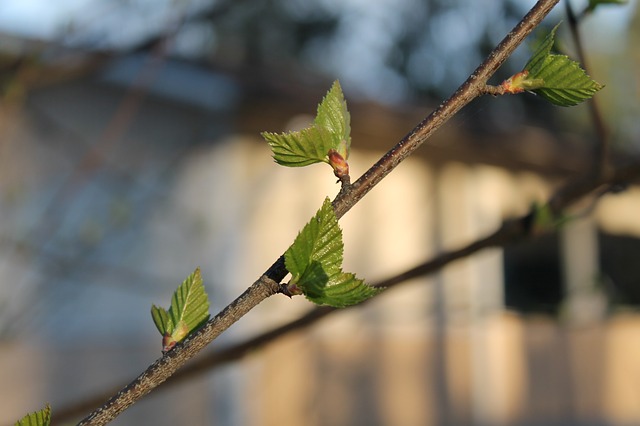
Plants are preserved in the Earth's crust in various ways. Often a compression is formed when a plant or its parts are buried or covered in sediments. Types of sediment matrices include shale, sandstone, volcanic ash and diatomaceous earth. Delicate leaf and other plant tissue material showing the anatomy of ancient plants are of great interest to paleobotanist. Coal is an important type of preserved plant material. Coal is formed under substantial pressure. Detailed investigation shows coal to be composed of spores, wood fragments, bark fragments, cuticles and resins. Plants growing in regions where sediments are accumulating could become future fossils. Water, whether fresh, brackish or marine also often provides conditions for fossil formation. The geological record in Iceland shows that birch forests were widely spread during two periods within last ten thousand years, while wetlands, with characteristic sedges were more widely spread during other periods.


Fáðu nýjustu fréttir og tilboð frá Þund!
Get updates and special offers from Thund!


How can we help you? Fill in our survey.
Recent Articles


-
Umhverfismat
Jan 26, 26 04:55 AM
 Umhverfismat
 -
Ecological consulting
Jan 26, 26 04:54 AM
Ecological consulting -
Fræðsla og námskeið
Jan 22, 26 05:46 AM
 Fræðsla og námskeið í Hafnarfirði