Grassland ecology
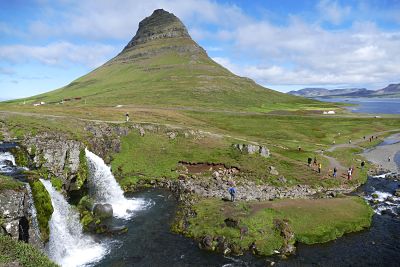
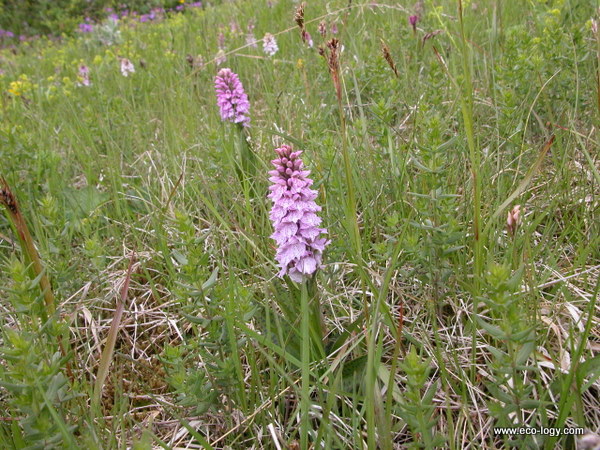
Grasslands exist in many parts of the world and are often influenced by humans. At southern latitudes, arid conditions may limit grass growth, sometimes resulting in competition among grasses for water.
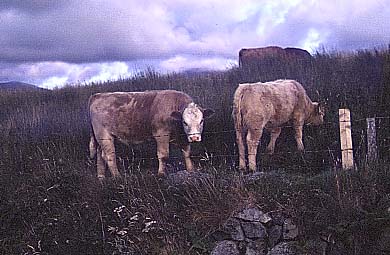
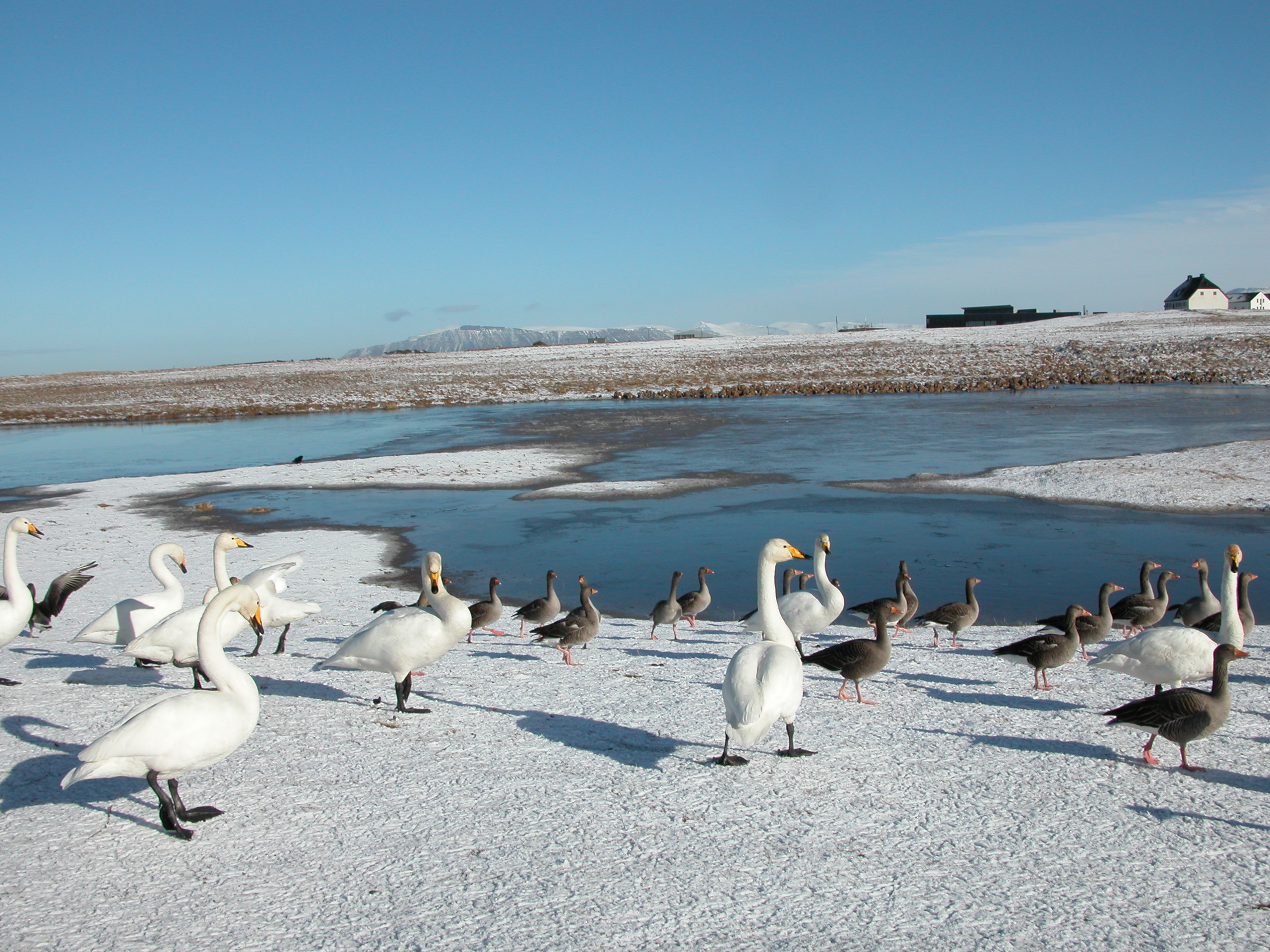
Grasslands are often grazed by domestic animals or mown by farmers and this may influence the distribution and abundance of plants in the sward. However, natural herbivores, for example, mammals, birds and insects, may also feed on grasslands.
At northern latitudes, local disturbance patterns as well as larger scale land management may influence species interactions in the grasslands. In Iceland and elsewhere in northern Europe, grasslands are much influenced by livestock grazing. Grasslands are often semi-natural, for example, cultivated grasses and legumes are frequently sown into grasslands to increase their production.
Over a thousand years ago, the early settlers of Iceland burned woodlands to open new pastures. Here, the fertility of the soil is important for grass growth. Tufted Hair-grass (Deschampsia caespitosa) is the dominant on infertile land whereas Common Bent-grass (Agrostis capillaris) thrives on fertile land.


Skráðu þig til að fá Gróðurfréttir! - Sign up to receive Botany News!




Safetravel - Be safe in Iceland



Recent Articles


-
Gróðurferðir
Apr 05, 24 06:46 AM
 Sérsniðnar ferðir sem vísa þér leið um innlend gróðurlendi um leið og þú nýtur náttúru og fegurðar landsins.
 -
Botanical Tours
Apr 05, 24 06:19 AM
 Customized tours guiding you through the native vegetation of Iceland, enjoying the nature and beauty of Iceland.
 -
Professional translation
Nov 08, 23 10:30 AM
 Professional translation